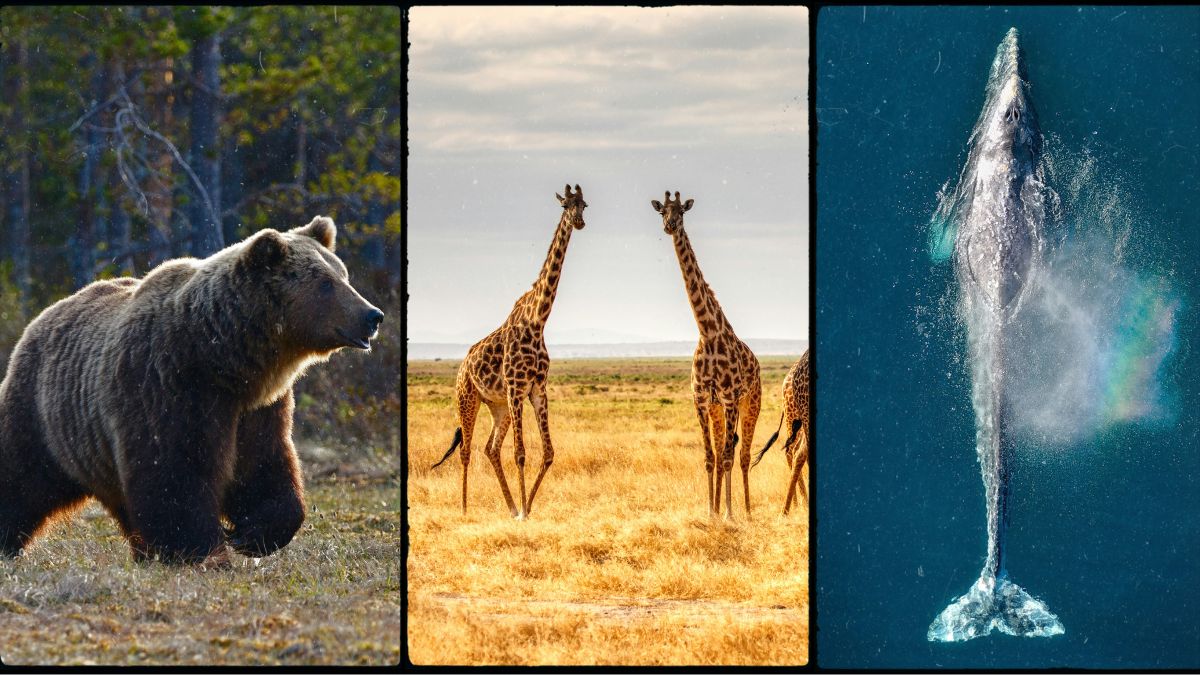
Nature has an extraordinary way of surprising us. Some animals grow to sizes that almost seem impossible. From giants of the ocean to towering creatures on land, these animals prove that life on Earth comes in forms that stretch the limits of imagination. Many of them are bigger than vehicles, taller than buildings, or longer than boats. These massive creatures are not only fascinating but also vital to the balance of ecosystems.
1. Blue Whale – The Ocean Giant
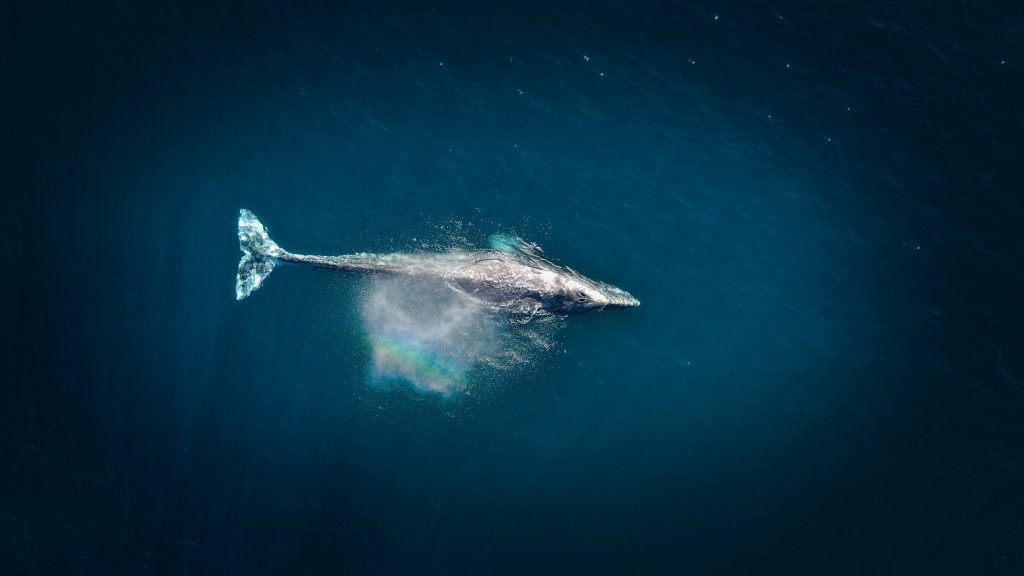
The blue whale is the largest animal to have ever lived on Earth. Measuring up to 100 feet long and weighing as much as 200 tons, it dwarfs even the biggest dinosaurs of the past. Its heart is about the size of a small car, and its tongue alone can weigh as much as an elephant.
Despite its enormous size, the blue whale feeds mainly on tiny shrimp-like creatures called krill. During peak feeding season, a blue whale can consume up to four tons of krill each day. This giant is also known for its haunting songs, which can travel hundreds of miles through the ocean. (Source: National Geographic)
2. African Elephant – The Land Titan
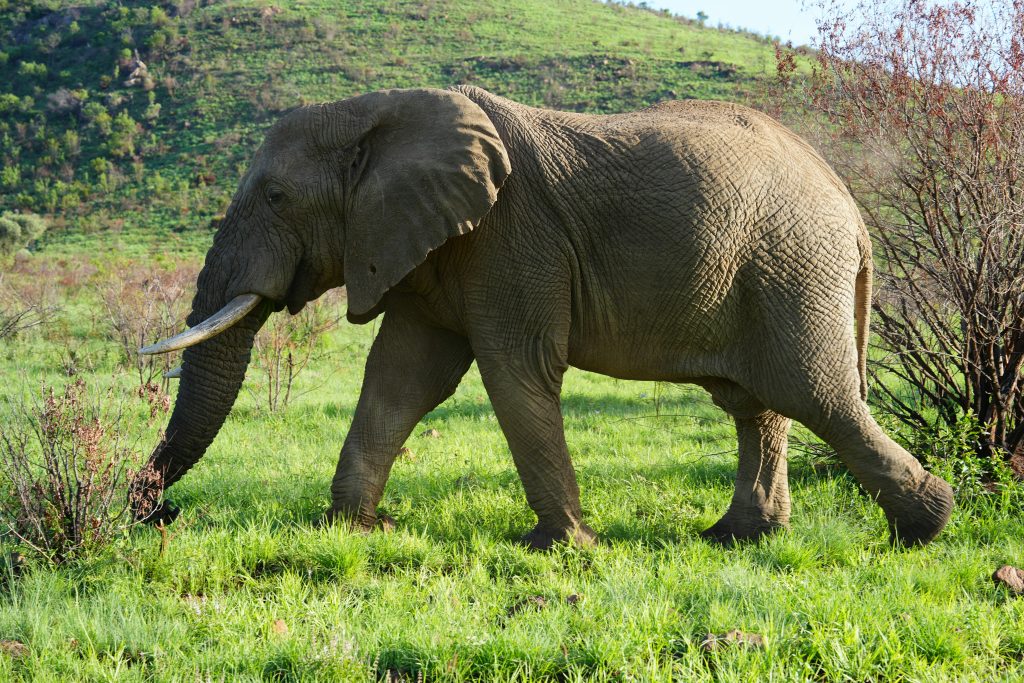
The African elephant is the largest land animal alive today. Males can weigh up to seven tons and stand around 13 feet tall at the shoulder. Their trunks, made of more than 40,000 muscles, are versatile tools used for feeding, drinking, and communication.
Elephants play a crucial role in shaping their habitats. By uprooting trees and digging for water, they create opportunities for other species to survive. These gentle giants are also highly social, living in family groups and displaying behaviors such as mourning their dead. (Source: World Wildlife Fund)
3. Giraffe – The Towering Grazer
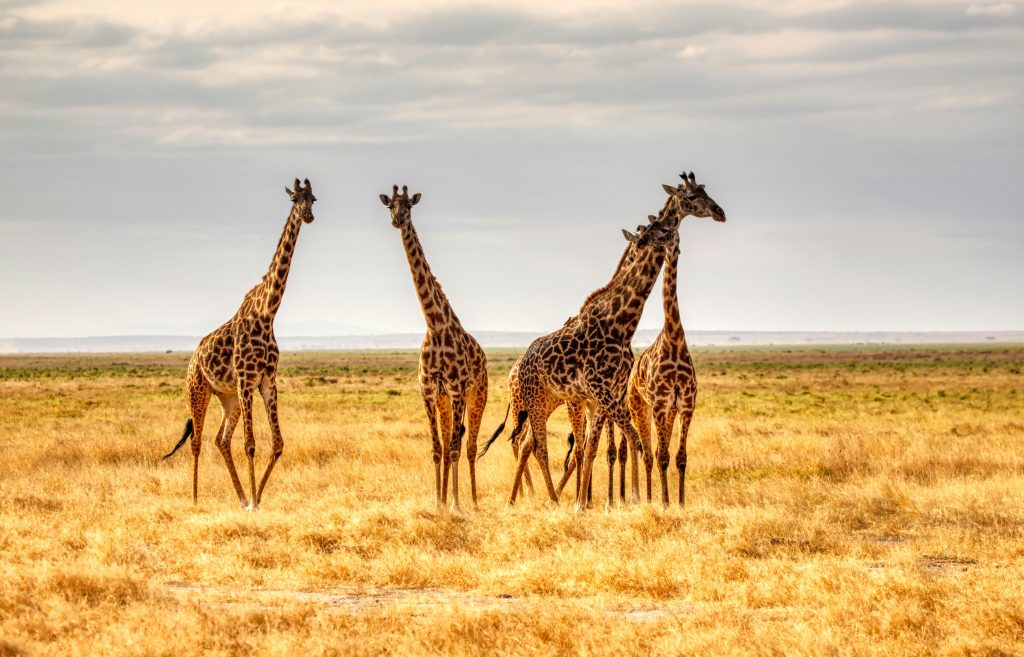
The giraffe is the tallest land animal in the world, reaching heights of nearly 19 feet. Its neck alone can measure over six feet, though it contains the same number of vertebrae as a human neck — just much larger ones.
Giraffes have a unique circulatory system that prevents them from fainting when lowering their heads to drink water. Special valves in their blood vessels control the flow of blood. This adaptation makes it possible for them to graze on treetops while still managing to drink safely at ground level.
4. Whale Shark – The Gentle Giant
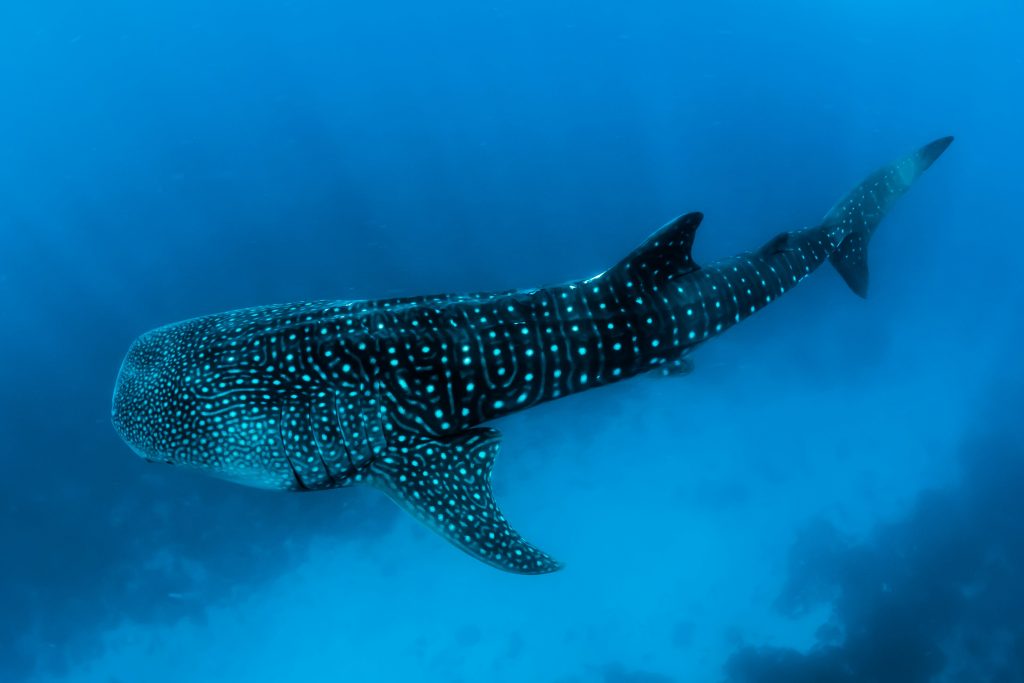
The whale shark is the largest fish in existence, growing up to 40 feet long and weighing around 20 tons. Despite its massive size, it is a filter feeder, eating plankton, small fish, and other tiny organisms.
Whale sharks are known for their calm and gentle nature. They often swim slowly near the surface, making them popular among divers who describe swimming alongside them as a surreal experience. Their spotted skin patterns are unique to each individual, much like human fingerprints.
5. Colossal Squid – The Deep-Sea Mystery
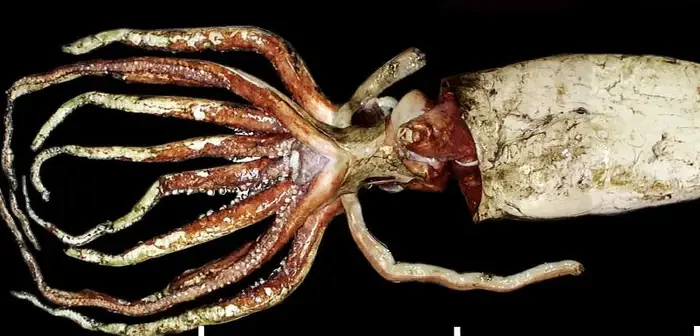
The colossal squid is one of the largest invertebrates known to science, with some individuals reaching lengths of up to 46 feet. It is heavier and bulkier than the more famous giant squid.
One of its most remarkable features is its massive eyes, which are the size of dinner plates. These eyes help it detect faint light in the pitch-black depths of the ocean. Equipped with powerful tentacles and sharp hooks, the colossal squid remains one of the most mysterious creatures of the deep sea.
6. Brown Bear – The Mighty Predator
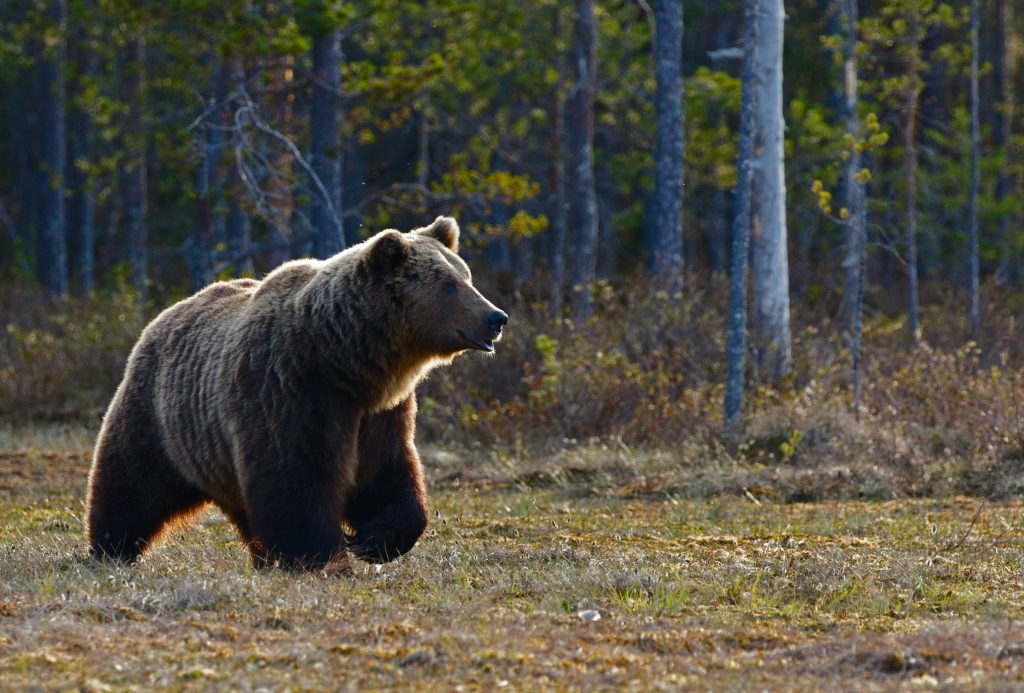
The brown bear, including the Kodiak bear of Alaska, is the largest carnivorous land mammal. Adult males can weigh up to 1,500 pounds and stand almost 10 feet tall when on their hind legs.
Despite their size, brown bears are strong runners, capable of sprinting faster than a horse over short distances. They are omnivores, eating everything from berries and fish to large mammals. Brown bears are also ecosystem engineers, spreading seeds and keeping animal populations in balance.
7. Saltwater Crocodile – The River Ruler
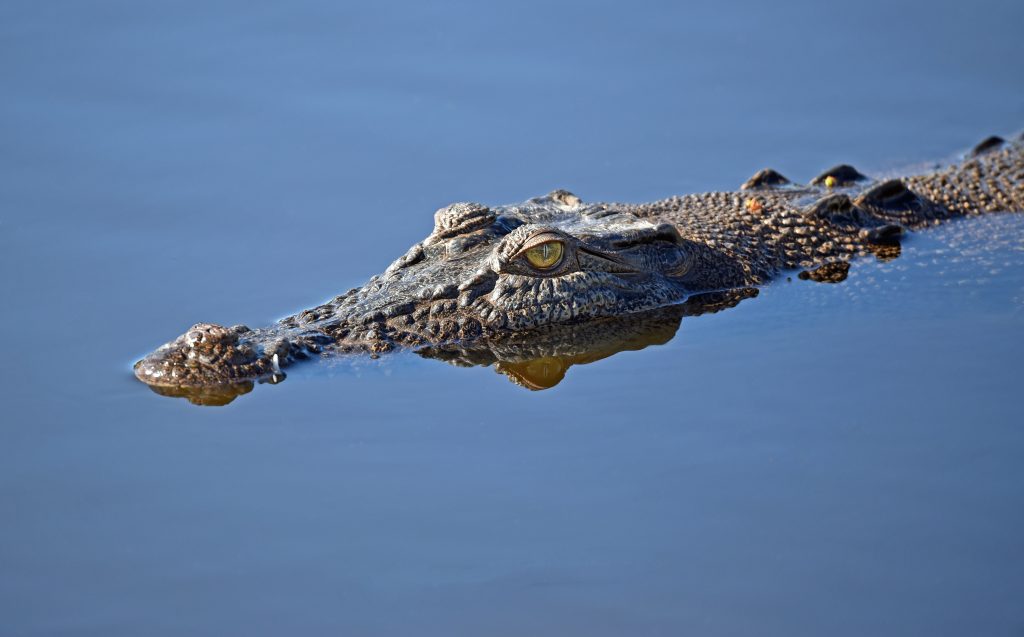
The saltwater crocodile is the largest living reptile. Some males reach lengths of 23 feet and can weigh more than a ton. Found in rivers, estuaries, and coastal areas across Southeast Asia and northern Australia, these reptiles are apex predators.
The saltwater crocodile has the strongest bite force of any animal, delivering more than 3,700 pounds of pressure per square inch. This power allows it to capture prey as large as water buffalo. Its ability to thrive in both saltwater and freshwater makes it one of the most adaptable reptiles alive.
8. Ostrich – The Giant Bird
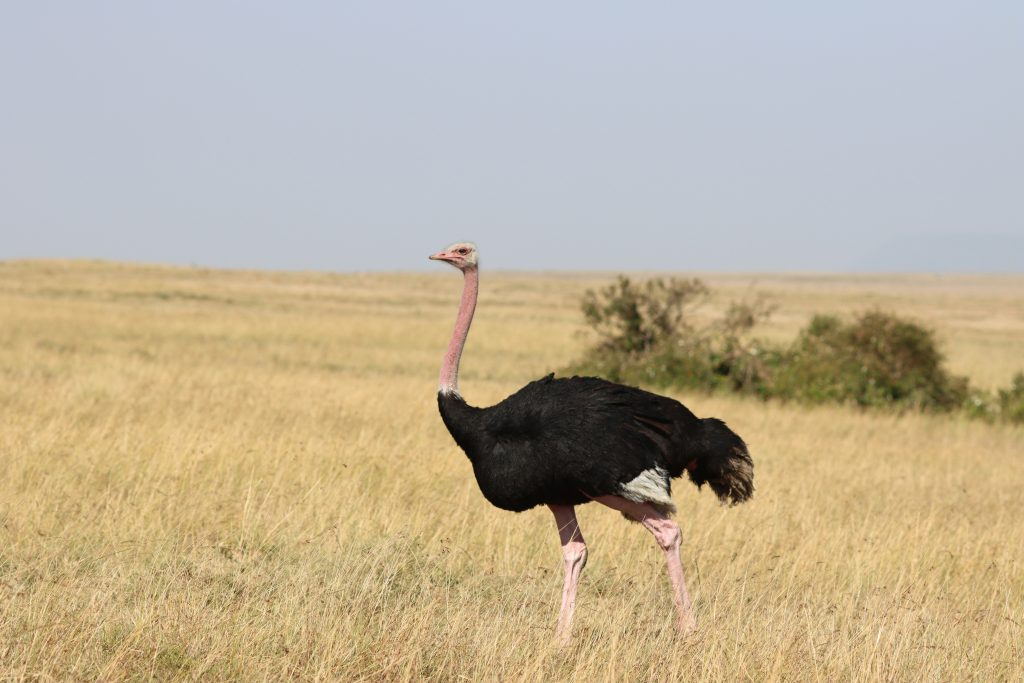
The ostrich is the largest bird in the world. Standing up to nine feet tall and weighing around 300 pounds, it is flightless but incredibly fast. Ostriches can sprint at speeds of up to 45 miles per hour, making them the fastest-running bird.
Ostrich eggs are also remarkable, weighing about three pounds each—the equivalent of two dozen chicken eggs. Their long legs are powerful enough to deliver dangerous kicks, which serve as a defense against predators.
9. Hippopotamus – The River Heavyweight
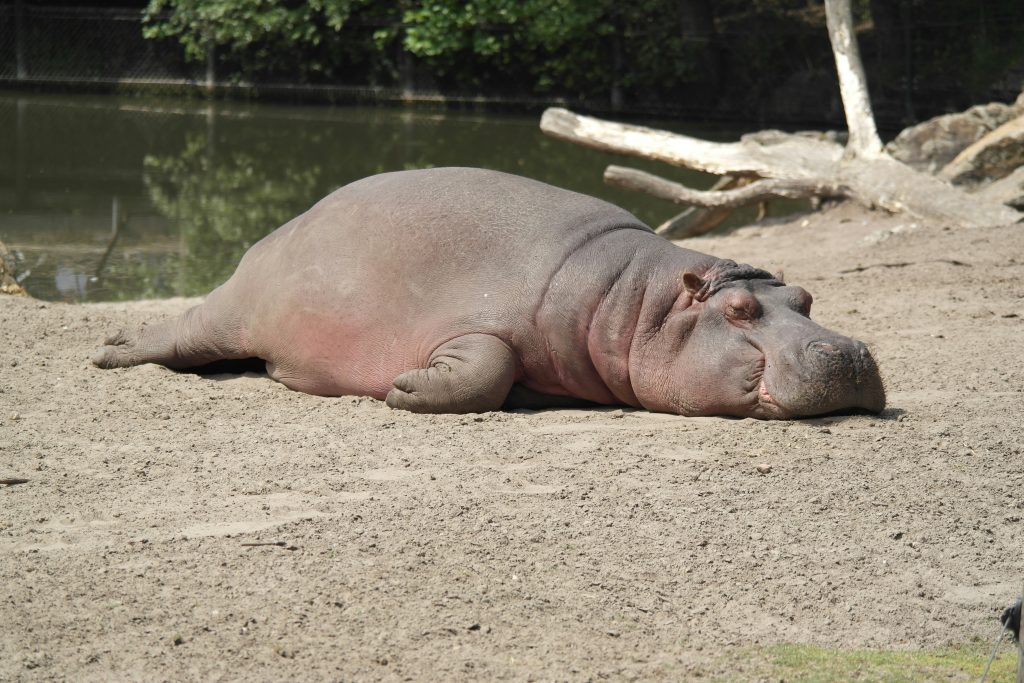
The hippopotamus is one of the heaviest land mammals, weighing up to 3,200 kilograms and measuring over 16 feet long. Though it spends most of its time in rivers and lakes to stay cool, it can run surprisingly fast on land.
Hippos are herbivores, but they are extremely territorial and aggressive. Their large jaws and sharp teeth make them dangerous, and they are responsible for more human deaths in Africa than lions or crocodiles. Despite their bulky bodies, they are excellent swimmers and can hold their breath underwater for several minutes.
10. Giant Salamander – The Amphibian Colossus
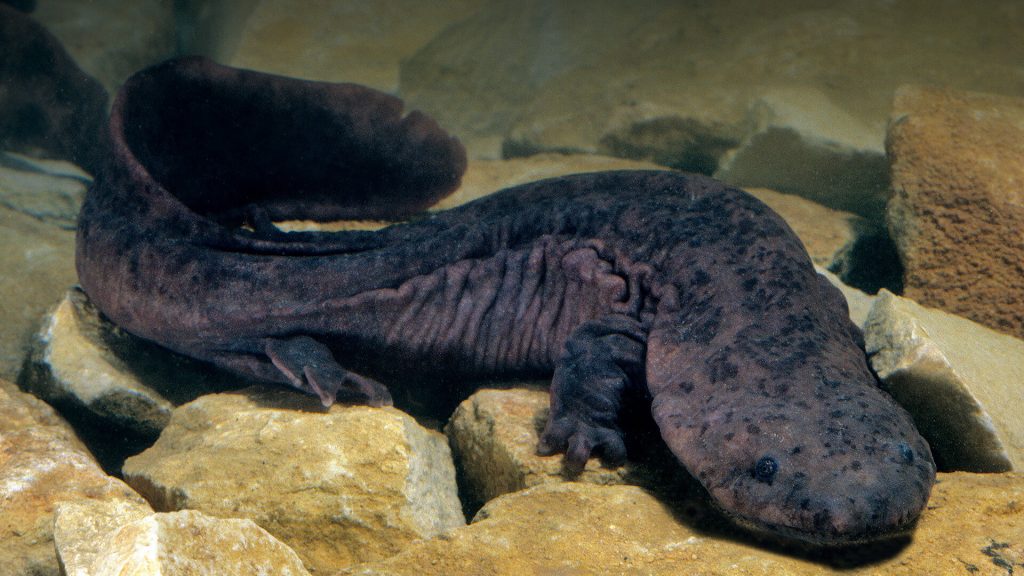
The giant salamander, found in Asia, is the largest living amphibian. It can grow up to six feet long and has remained almost unchanged for millions of years.
This animal spends most of its life in rivers and streams, relying on its permeable skin to absorb oxygen from water. It feeds mainly on fish, insects, and crustaceans. Due to its secretive nature and limited habitat, seeing a giant salamander in the wild is rare.
Grouping the Giants
These animals represent the largest members of their categories. Mammals include the blue whale, elephant, giraffe, bear, and hippo. The whale shark stands as the largest fish. The colossal squid leads the invertebrates. The crocodile dominates reptiles. The ostrich is the largest bird, and the salamander is the largest amphibian. Together, they showcase the incredible diversity of life on Earth.
Fascinating Comparisons
Numbers alone don’t always capture the size of these animals. The blue whale is longer than three school buses lined up in a row. An African elephant weighs more than a full-size truck. The ostrich’s eye is larger than a billiard ball. The saltwater crocodile matches the length of a small boat. These comparisons help bring their size into perspective.
Not the Largest, But Still Important
Dogs may not be as massive as elephants or whales, but they hold a huge place in our lives. They’re playful, loyal, and always ready to brighten our day. Just like big animals need their strength to survive, our furry friends need proper care to stay healthy. One often overlooked part of that care is dental health. If you’d like to try a simple at-home solution, here’s a homemade dog toothpaste guide that can help keep your pup’s teeth clean and strong.
Conclusion
The largest animals on Earth are living examples of nature’s ability to push boundaries. From the enormous blue whale to the towering giraffe and the mysterious colossal squid, these creatures reveal just how diverse and impressive life can be. Each plays an important role in its environment, shaping ecosystems and influencing countless other species.
However, many of these giants face serious threats. Protecting them is not only about saving individual animals but also about preserving the balance of nature. The existence of such incredible creatures should be a reminder of the richness of life on our planet and why it deserves to be safeguarded for future generations.
If you love exploring facts about animals and nature, visit our homepage here: Wildlife VcanitBlog
Trusted Wildlife Sites
Frequently Asked Questions
What is the largest animal ever recorded?
The blue whale is the largest animal ever known, surpassing even the biggest dinosaurs.
Why can whales grow so large?
The buoyancy of water supports their weight, allowing them to reach sizes impossible for land animals.
Which land animal is the heaviest?
The African elephant holds the record as the heaviest land animal.
Were prehistoric animals larger than today’s animals?
Some dinosaurs were taller and longer, but in terms of weight, the blue whale remains unmatched.
Which of these large animals are endangered?
Blue whales, whale sharks, and African elephants are threatened due to hunting, habitat loss, and environmental changes.

Wrenlee is a wildlife writer at VCanitBlog, specializing in animal behavior, habitats, and conservation. With years of experience exploring nature and researching biodiversity, she creates well-researched content to raise awareness about protecting wildlife.