
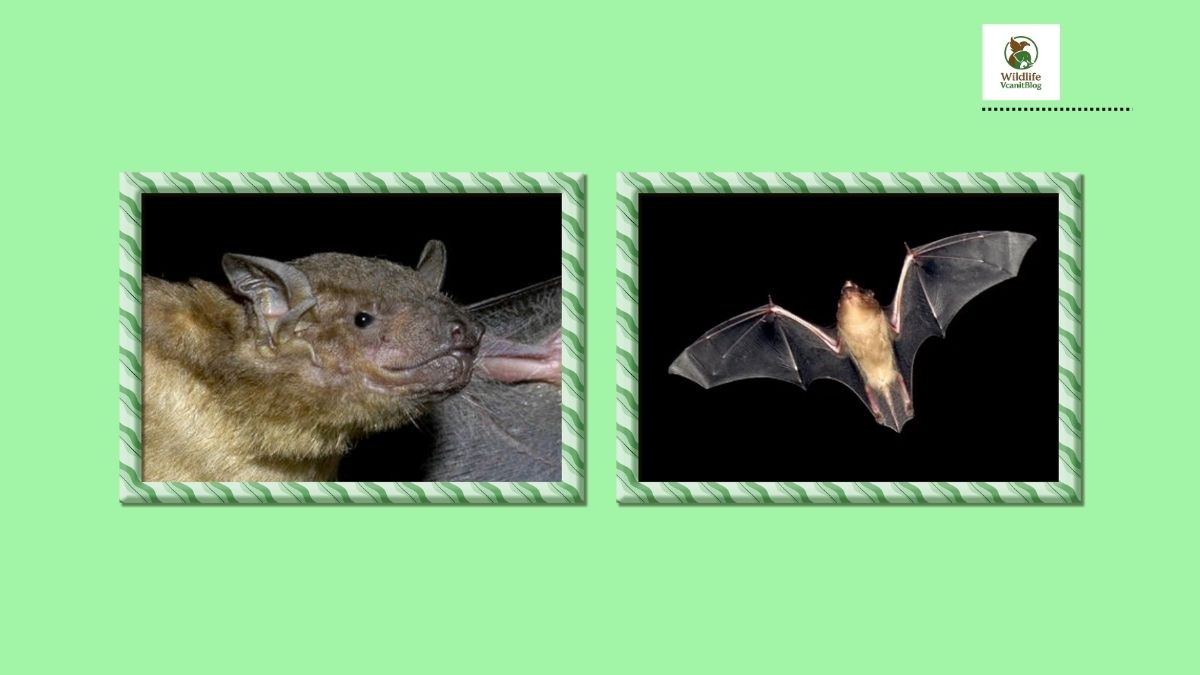
Say “bat” out loud, and most people picture haunted houses, horror films, or vampires flapping in the dark. But here’s a twist — not all bats fit that scary image. One small, yellow-furred bat quietly lives close to us and actually makes our nights safer. Meet the Asiatic Yellow House Bat (Scotophilus heathii).
This little insect hunter lives across South Asia. Pakistan, India, Sri Lanka, Bangladesh. It loves old houses, rooftops, and cracks in walls. While you’re asleep, it’s out chasing mosquitoes and moths like a tiny superhero. A recent Facebook video in Urdu showcased the fascinating nature of this bat, highlighting why such awareness is necessary. Even wildlife magazines like National Geographic highlight the ecological role of bats — yet this species is still lesser known.
What Is the Asiatic Yellow House Bat?
It’s a medium-sized bat, with yellow-brown fur and a wingspan about the length of your forearm. Unlike fruit bats, this one doesn’t care about mangoes or bananas. Its favorite meal? Insects.
Scientists often describe it as a “silent pest controller” because of its eating habits. Weighing just around 30 grams, it looks fragile, but its broad head and sturdy wings give it surprising strength in flight. For villagers and townsfolk, its golden coat makes it easy to identify compared to other small bats.
Where Do They Live?
These bats prefer small, hidden corners.
-
Old houses with roof gaps
-
Cracks in walls
-
Hollow trees in villages
-
Abandoned buildings
They rarely roost alone. A group may squeeze into one tight spot, and the sight of dozens streaming out at dusk is unforgettable. Their close association with human settlements makes them unique, as many other bat species avoid people. Researchers believe this adaptability has helped the species survive urbanization better than most.
Healthy Soft Baked Dog Treats with Lobster & Seafood
Hunters of the Night
Once the sun sets, it’s dinner time.
-
They eat mosquitoes, moths, and beetles.
-
They use high-pitched sounds to “see” in the dark.
-
They can gulp down hundreds of insects in just one night.
Their echolocation is so precise that they can catch moving insects mid-air without ever colliding with obstacles. Some studies suggest a single colony can remove thousands of pests in a farming area, reducing the need for chemical sprays. That makes them natural allies of farmers and gardeners alike.
Why Do They Matter?
Here’s the thing: they’re not scary. They’re lifesavers.
-
Health benefits: They cut down mosquito populations, lowering the risk of dengue and malaria.
-
Farmers’ friends: By eating moths and beetles, they save crops from damage.
-
Balance keepers: They keep insect numbers under control.
Think of them as night-shift workers who protect us while we sleep. Without them, insect populations could skyrocket, harming both people and crops. Their presence is proof of how even the smallest species play a big role in maintaining ecosystem balance.
Fun Facts
-
Their yellow fur makes them stand out from other small bats.
-
They live surprisingly close to humans but rarely cause trouble.
-
Their flight is fast and dart-like, perfect for chasing insects mid-air.
-
They are misunderstood as “pests” but actually reduce real pests.
Some locals even call them “golden bats” because their fur glows under certain light. Observers say watching them take flight at dusk is like seeing sparks in motion.
Top 11 Heaviest Dog Breeds: Meet the Gentle Giants
Myths and Truths
Bats are tangled in myths. Let’s clear the air.
Myth: All bats drink blood.
Truth: Out of more than a thousand species, only three do — none in South Asia.
Myth: Bats bring bad luck.
Truth: If fewer mosquitoes and safer crops are bad luck, we’ll take it.
Myth: They spread diseases directly.
Truth: No evidence supports that for this species.
Superstitions often cause people to burn or destroy roosts, but education and awareness can change perceptions. Sharing accurate information is the best defense against myths.
Threats They Face
They may be tiny, but they have big challenges.
-
Cities are eating up old houses and trees where they roost.
-
Pesticides poison their food supply.
-
Fear and superstition often lead people to destroy bat colonies.
If these bats disappear, insect populations could explode. That’s not a future we want. Conservationists argue that saving bats is directly linked with healthier farmlands and lower disease risks. Protecting them is ultimately protecting ourselves.
Living Peacefully With Them
Want to help? It’s easier than you think.
-
Don’t destroy their roosts unless you must.
-
Spread awareness — tell your friends they’re helpful, not harmful.
-
Cut down pesticide use.
-
Support local conservation groups.
Even small steps, like teaching children about the benefits of bats, can change community attitudes. In many places, people are now installing bat boxes to give them safe roosts. Imagine fewer bugs and healthier crops — that’s the reward of coexistence.
Some Questions!
Q1. Are they dangerous?
No. They don’t attack people and won’t bite unless handled.
Q2. Why are they called “house bats”?
They like roosting inside or near houses instead of deep caves.
Q3. Do they spread diseases?
No. In fact, they help by eating insects that spread disease.
Q4. How many insects can they eat in a night?
Hundreds per bat. Multiply that by a colony and the numbers are jaw-dropping.
Q5. Where are they found?
Across South Asia, especially in warm and tropical areas. India And Pakistan
Q6. Should I remove them if they’re in my roof?
If they’re not causing harm, let them be. They’re doing you a favor.
Conclusion
The Asiatic Yellow House Bat isn’t a villain from a horror movie. It’s more like the quiet night shift worker we never notice. While we sleep, it’s out hunting pests and keeping balance in nature. So the next time you see a tiny bat flit past at dusk, don’t panic. Smile. Somewhere, it just saved you from a mosquito bite. And by sharing their story, we can replace fear with respect — exactly what these golden-furred night guardians deserve.
If you enjoyed this article, you’ll love the other wildlife features on Wildlife VCANITBLOG
Related posts:
Top 11 Heaviest Dog Breeds: Meet the Gentle Giants
Why Losing a Pet Hurts Like Losing Family – And How to Cope With It
The Invisible Killer of 2025: How Phytoplankton Collapse Is Emptying Our Oceans
10 Largest Animals on Earth – You Won’t Believe
Tabby Cat in Pakistan: Patterns, Personality, and Prices
Healthy Soft Baked Dog Treats with Lobster & Seafood

Wrenlee is a wildlife writer at VCanitBlog, specializing in animal behavior, habitats, and conservation. With years of experience exploring nature and researching biodiversity, she creates well-researched content to raise awareness about protecting wildlife.