
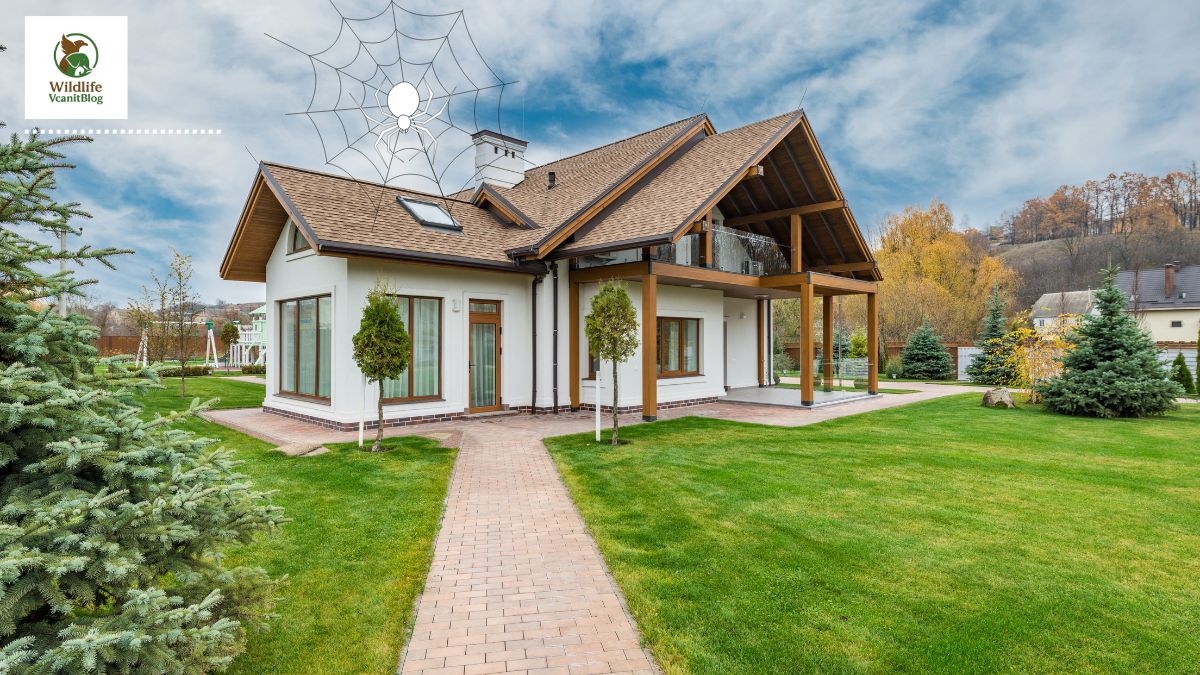
As soon as the days start getting shorter and the air feels a little colder, you might notice more spiders hanging around your home. Corners filled with webs, sudden spider sightings on the wall — yep, it’s officially “spider season.” For many people, this can be uncomfortable or even scary. But don’t worry — most of these little creatures are harmless, and some are actually pretty useful. Still, it helps to know why they’re showing up, which ones you’re likely to see, and what you can do about them. That’s exactly what we’ll talk about here.
Why Do Spiders Show Up More in Autumn?
Have you ever wondered why spiders suddenly become so visible in autumn? It’s not that they just appeared out of nowhere. They’ve been around all summer, but autumn changes their behavior.
- Colder weather: As temperatures drop, spiders look for warm and safe places — and your house is the perfect spot.
- Mating season: Autumn is when male spiders start moving around, searching for females. That’s why you see them wandering across floors or walls.
- Shelter: Nights get chilly, so they sneak into basements, attics, or garages to stay protected.
- Food supply: Insects like flies and mosquitoes also move indoors, and spiders follow their dinner right inside.
So when you see more spiders in your home, it’s not an “invasion.” It’s just nature doing its thing.
Common House Spiders Seen in Autumn
Let’s go through some of the spiders you’re most likely to come across. Knowing who’s who makes it easier to decide whether to leave them alone or gently guide them outside.
- American House Spider
These small brown or gray spiders love corners. Their messy webs might annoy you, but they’re busy catching flies and mosquitoes for you.
- Cellar Spider (Daddy Longlegs)
Thin legs, tiny body — you’ll often spot them in attics, basements, or behind furniture. Despite their spooky look, they’re harmless.
- Jumping Spiders
Short, compact spiders with big eyes. They’re curious little hunters that sometimes even seem to “look” at you. No harm at all.
- Hobo (Funnel Web) Spider
They make funnel-shaped webs in dark, quiet areas. People often worry about them, but they’re usually not dangerous to humans.
- Brown Recluse Spider
This one is more serious. It has a violin-shaped mark on its back and prefers dark, hidden spots. Its bite can be harmful, though cases are rare.
- Giant House Spider
Large and fast-moving, these can startle anyone! But don’t panic — they aren’t dangerous. In fact, they often hunt other pests.
- Orb Weaver Spider
Masters of web design, they spin beautiful circular webs outdoors. They rarely come inside, but when they do, they’re harmless.
- Harvestman Spider
Often confused with daddy longlegs, but technically not true spiders. They don’t spin webs and are completely harmless.
- Zebra Jumping Spider
Tiny, black-and-white striped spiders that actively hunt instead of spinning webs. Small but skilled hunters.
Are Spiders Dangerous?
The short answer: not really.
Most spiders can’t hurt you. Their venom isn’t strong enough, and many can’t even bite through human skin. A few, like the Brown Recluse, are exceptions, but they’re uncommon.
So while spider bites sound scary, they’re rare. Most “bites” people blame on spiders are actually caused by other insects. CDC – Spider Bites
Signs of Spider Activity in Your Home
Not sure if spiders are settling in? Look for:
- Webs in corners, windows, and ceilings
- Small egg sacs tucked away in quiet areas
- More spiders crawling around at night
- Webs or activity in basements, garages, and attics
These signs usually mean spiders are active, but again, it’s not a crisis.
How to Deal With Spiders in Autumn
If you’re not a fan of sharing your space with spiders, here’s what you can do.
Simple Prevention Tips
- Seal cracks around windows, doors, and pipes.
- Clean and vacuum regularly, especially corners and under furniture.
- Keep outdoor lights dim — they attract insects, which attract spiders.
- Store firewood and garden items away from the house.
Safe Removal Methods
- Use the glass-and-paper trick to catch and release them outside.
- Vacuum webs and egg sacs when you spot them.
- Try natural repellents like peppermint oil, vinegar, or citrus spray.
When to Call Professionals
If you see lots of spiders repeatedly, or if you spot dangerous species like the Brown Recluse, it may be time to call pest control.
Spiders as Natural Pest Controllers
Here’s the upside: spiders eat pests.
- They help control flies, mosquitoes, moths, and even cockroaches.
- A single spider can eat dozens of insects in one night.
- In gardens, they protect plants by keeping harmful bugs away.
So in many ways, spiders are nature’s own pest management team. (source: National Wildlife Federation)
Spider Season and Human Psychology
Why do spiders scare so many people? Partly because of how they look and move, and partly due to cultural myths and movies. Arachnophobia is real, but learning the facts helps.
Most spiders are shy and harmless. Once you understand their role, they stop feeling like monsters and start looking more like helpful neighbors.
Conclusion
Seeing more spiders in autumn is completely normal. They’re looking for warmth, food, and a mate — not trying to scare you. Most of the ones you find indoors are harmless, and some are even beneficial. Still, it’s smart to know which spiders you might encounter, how to keep them out, and safe ways to deal with them if you prefer a spider-free home.
If you love exploring facts about Animals and Nature, visit our homepage here: Wildlife VcanitBlog
- Top 11 Heaviest Dog Breeds: Meet the Gentle Giants
- How to Make Homemade Dog Toothpaste for Healthy Teeth
- 10 Largest Animals on Earth – You Won’t Believe
Related posts:
Healthy Soft Baked Dog Treats with Lobster & Seafood
Why Losing a Pet Hurts Like Losing Family – And How to Cope With It
The Invisible Killer of 2025: How Phytoplankton Collapse Is Emptying Our Oceans
Asiatic Yellow House Bat: The Tiny Guardian of Asian Nights
Top 11 Heaviest Dog Breeds: Meet the Gentle Giants

Wrenlee is a wildlife writer at VCanitBlog, specializing in animal behavior, habitats, and conservation. With years of experience exploring nature and researching biodiversity, she creates well-researched content to raise awareness about protecting wildlife.
1 thought on “Common House Spiders You May Spot in Autumn and What to Do”