
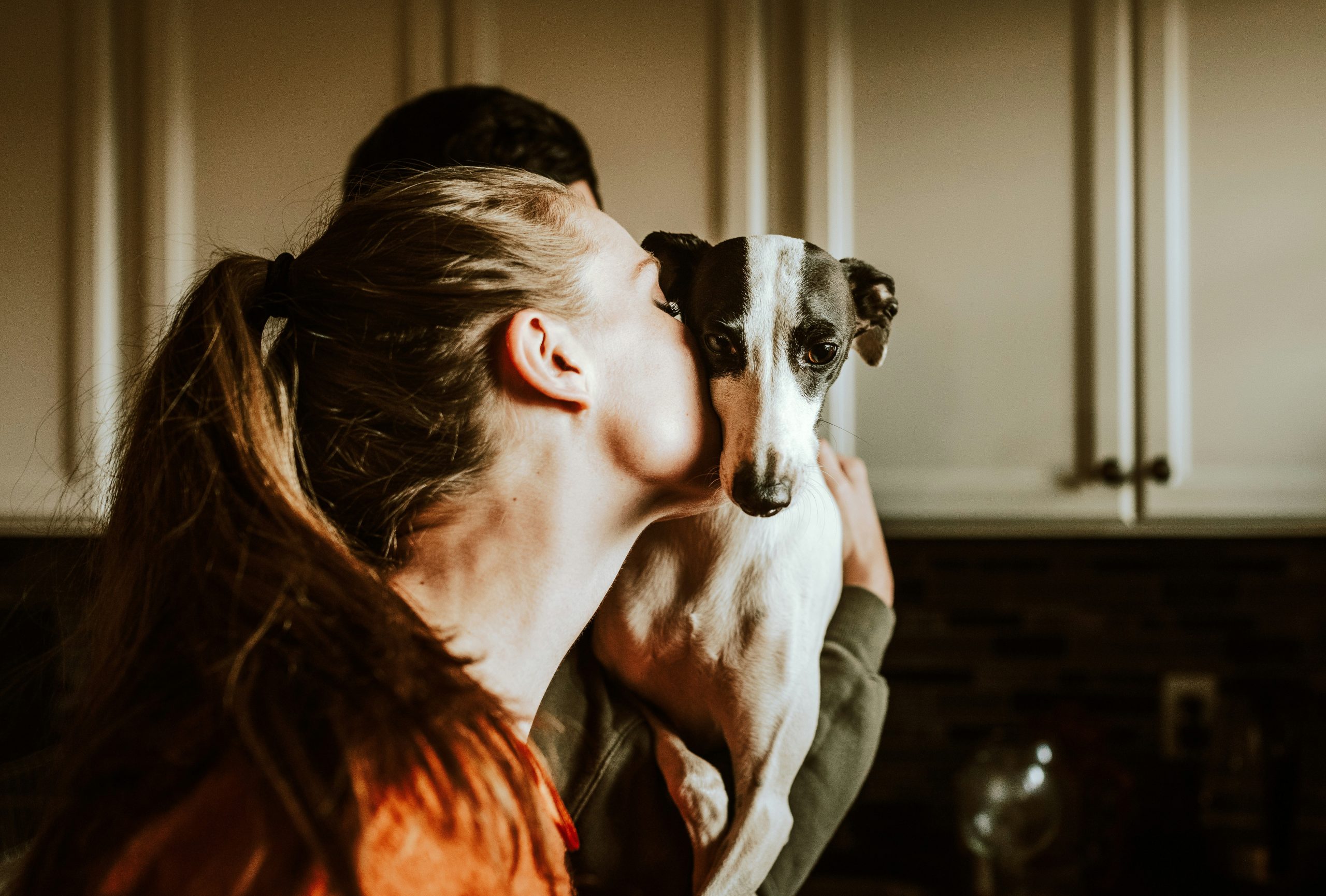
If you’ve ever loved a pet, you already know this truth: they’re never “just animals.” A dog wagging at the door after a long day, a cat curling on your lap when you’re upset, even a little bird singing in the morning—these moments turn pets into family.
That’s why when a pet passes away or goes missing, the pain feels crushing. Many people say it’s one of the hardest losses they’ve ever faced, sometimes even more than losing certain human relationships. But why is the grief so deep? Scientists and psychologists have started to explore this question, and their findings match what pet owners feel in their hearts: animals matter to us on an emotional and even biological level.
Pets Become Family
Over time, pets have moved from being “helpers” to being true companions. Centuries ago, dogs were kept for hunting and protection, cats to keep mice away. Now, more than 85% of pet owners say their pets are full family members.
And it’s not just a sweet idea—it’s science. Our brains process the bond with pets almost the same way we process the bond with humans. BBC Science Focus explains that studies have found grief for a pet can feel just as heavy as grief for a human loved one.
Why It Hurts So Much
So what exactly makes losing a pet so painful? A few reasons stand out:
- Biological bonding – Playing with or cuddling a pet releases oxytocin, the “love hormone.” It’s the same hormone that bonds parents and children.
- Daily routines – Pets give structure to our days. Morning walks, feeding times, bedtime cuddles. Their absence throws our whole routine off balance.
- Unconditional love – Pets don’t care about our mistakes, our jobs, or how we look. They love us as we are, and losing that pure connection feels unbearable.
- Silent comfort – Sometimes it’s not about what they do but simply their presence. That quiet comfort vanishes when they’re gone.
Do Pets Feel Emotions Too?
It’s not just humans who grieve. Research shows that pets themselves can feel sadness and loss. Dogs often develop separation anxiety or depression when their owners pass away. Cats show stress behaviors when their families are absent. Even birds and elephants have been seen mourning their companions.
As The Conversation points out, animals are far more emotionally aware than we sometimes give them credit for. This makes their loss even harder—because it’s not only about us missing them, but also about knowing they had real feelings too.
The Problem of Social Stigma
One reason grieving a pet feels so isolating is the way society treats it. When someone loses a parent or sibling, everyone understands the depth of their pain. But when someone loses a dog or a cat, people sometimes say: “It’s just a pet.”
This attitude makes the grief harder to carry. People may feel embarrassed to express their pain or may not get the support they need. Psychologists now argue that pet loss deserves the same recognition as other forms of grief.
💔 How to Cope With Pet Loss
Losing a beloved pet is never easy. The grief you feel is real, and it’s important to allow yourself the time and space to heal. Here are some ways that can help you cope with this difficult journey:
-
Acknowledge Your Grief
Just like losing a family member, the loss of a pet can bring deep sadness. Don’t suppress your emotions—accept that it’s okay to cry and to miss them. -
Create a Memory
Many people find comfort in making a small memorial. You could keep your pet’s collar, favorite toy, or photos in a memory box, or even plant a tree in their honor. -
Talk About It
Sharing your feelings with family and friends who understand your bond can make the healing process easier. You can also join online support groups where people share similar experiences. -
Take Care of Yourself
Grief often affects sleep, appetite, and mood. Try to rest, eat well, and take small steps toward normal routines—it will help you recover emotionally. -
Find New Meaning
While no pet can ever be replaced, you may eventually find comfort in helping other animals. Volunteering at a shelter or adopting again in the future can bring healing and joy.
Why Awareness Matters
Understanding the depth of our bond with pets is important for another reason: it helps us treat animals with more compassion while they’re alive.
- We drive more carefully, knowing a stray cat or dog is more than “just an animal.”
- We support animal welfare efforts because we know they experience joy and suffering.
- We start seeing them not as property but as living beings with real emotions.
Real Stories from Pet Owners
Many pet owners have shared their own experiences of losing a beloved animal. Here are some real stories that show how deeply this loss can be felt:
“When my cat passed away, the silence at home was unbearable. It truly felt like a part of my family was missing.”
“I kept my cat’s favorite toy on my desk. It helps me remember the joy she brought into my life every single day.”
“Losing my dog was harder than I ever imagined. Friends told me ‘it’s just a pet,’ but to me, it felt like losing a sibling.”
These heartfelt experiences remind us that the grief after losing a pet is not only normal but also a reflection of the deep bond we share with them.
If you’d like to read more real stories and join the conversation, check out our community thread here: Read the full discussion
Conclusion
Losing a pet is not a small thing—it’s losing family. From the science of bonding hormones to the routines that shape our days, pets become a part of who we are. That’s why their absence hurts so deeply.
Science now backs up what pet lovers have always known: animals love, grieve, and connect with us in profound ways. Honoring that bond means allowing ourselves to grieve when they’re gone and treating them with compassion while they’re here.
Related posts:

Wrenlee is a wildlife writer at VCanitBlog, specializing in animal behavior, habitats, and conservation. With years of experience exploring nature and researching biodiversity, she creates well-researched content to raise awareness about protecting wildlife.
2 thoughts on “Why Losing a Pet Hurts Like Losing Family – And How to Cope With It”