
Birds are amazing creatures. From the tiny hummingbirds you see in U.S. backyards to Arctic terns that travel thousands of miles every year, birds connect ecosystems, countries, and people in ways that most other animals can’t.
They’re not just pretty to watch—they are vital for keeping our environment healthy. But sadly, many bird populations are shrinking. According to BirdLife International (2024) report, almost half of all bird species worldwide are declining, mostly because of habitat loss, climate change, and human activities.
In this article, we’ll look at why birds matter, their roles in the environment, and what we can do to help them survive.
1. Birds Keep Nature in Balance
Birds do many jobs that help ecosystems stay healthy:
Pollination and Spreading Seeds
- Hummingbirds in North America move pollen from flower to flower, helping plants grow. Without them, some plants wouldn’t survive (National Geographic study on pollination).
- Blue jays carry acorns around, helping oak trees grow.
- Toucans and macaws in tropical forests spread seeds far and wide, helping rainforests stay alive.
Natural Pest Control
- Barn owls eat rodents on U.S. farms, cutting down the need for pesticides.
- Indian Rollers in South Asia eat insects that can damage crops.
Birds are like nature’s helpers. Without them, both wildlife and humans would face problems.
2. Birds Show Us How the Climate Is Changing
Birds can act like environmental weather-checkers.
- In the U.S., Audubon Society climate study shows that 389 bird species are at risk from climate change, including Bald Eagles and Snowy Owls.
- The American Robin now nests earlier because springs are warmer, which changes how food is available and migration patterns.
- Migratory birds like Arctic Terns are losing breeding spots because ice is melting.
Watching bird behavior helps scientists understand environmental changes before humans even notice them.
3. Famous Birds in the U.S. and Around the World
Some birds are more than just animals—they’re symbols and conservation success stories:
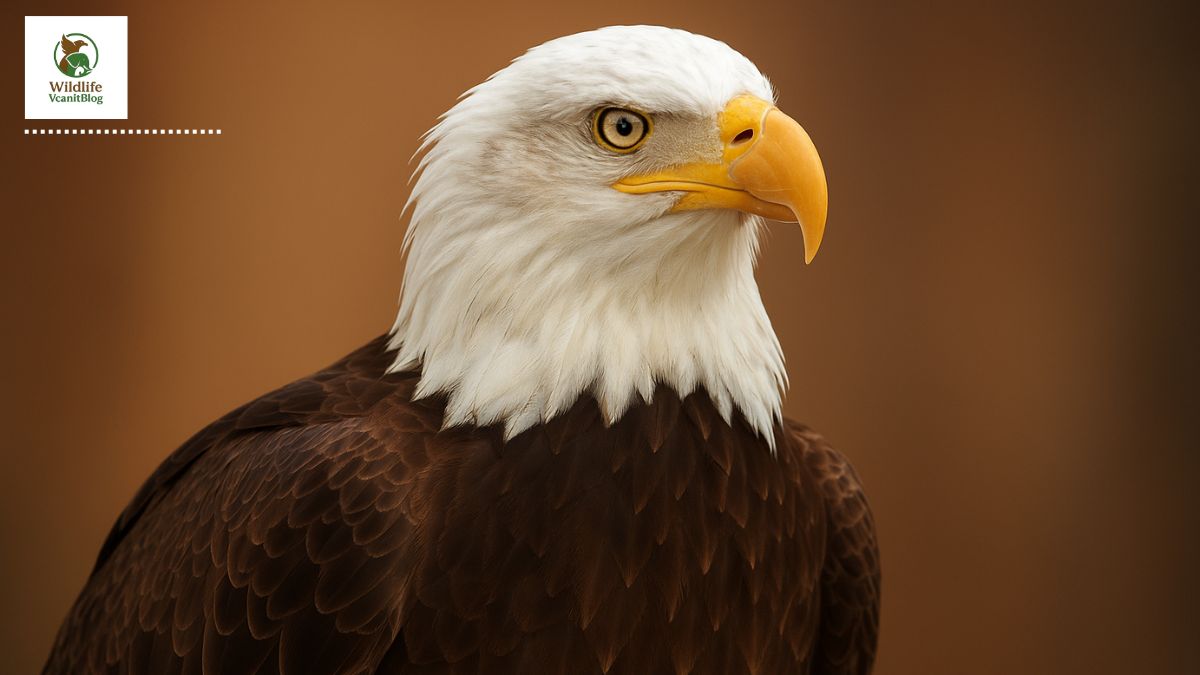
- Bald Eagle: Once almost extinct because of pesticides, now a symbol of recovery and conservation success.
- California Condor: One of the rarest birds, saved through careful breeding programs.
- Whooping Crane: Known for long migrations across North America, slowly recovering thanks to habitat protection.
These stories show that with focused care, we can help endangered species survive.
4. Bird Migration Connects the World
Migration shows how everything in nature is connected:
- The Mississippi Flyway in the U.S. hosts more than 325 migratory bird species.
- Red Knots fly from the Arctic to South America, stopping at U.S. coasts along the way.
- Wetland loss along the Gulf Coast and Atlantic flyways is a big problem for these birds.
Case Study: The Black-necked Stilt relies on Texas salt marshes for nesting. When these marshes are destroyed, the global population suffers.
5. Threats to Birds
Birds face many dangers today:
- Habitat Loss: Cities, farms, and deforestation destroy nesting and feeding areas.
- Pollution: Plastics, pesticides, and oil spills poison birds and their food (Life Underwater – Ocean Pollution & Wildlife).
- Climate Change: Changes when birds migrate, breed, and survive.
- Windows and Buildings: Up to 1 billion birds die every year in the U.S. hitting glass.
- Predators: Cats, rats, and snakes attack eggs, chicks, and adult birds.
6. Birds Help People Too
Birds do more than help nature—they also help humans:
- Mental Health: Watching birds reduces stress and improves focus (Cornell Lab of Ornithology research).
- Economy: Birdwatching brings in more than $40 billion per year in the U.S. through tourism and gear.
- Culture: Birds inspire art, poetry, festivals, and traditions around the world.
Protecting birds is protecting both nature and our way of life.
7. Success Stories in Conservation
Here are some examples where humans helped birds survive:
- Bald Eagle Recovery: Banning DDT and protecting habitats brought them back from near extinction.
- Captive Breeding: Programs for California Condors and Whooping Cranes help their populations recover.
- Ramsar Wetlands treaty: Protects important bird habitats along migration routes.
8. How You Can Help
Everyone can make a difference:
- Plant native trees, flowers, and shrubs for food and shelter.
- Keep cats indoors to protect birds.
- Install bird-friendly windows to prevent collisions.
- Reduce pesticide and plastic use.
- Support organizations like the Audubon Society and BirdLife International.
- Join citizen science projects like eBird to track sightings.
Small steps can make a big difference for birds and the planet.
Conclusion
Birds are more than just animals—they’re key players in keeping Earth healthy. They help with pollination, pest control, seed dispersal, and even climate monitoring. U.S. conservation efforts, combined with global cooperation, show that humans can make a difference.
Protecting birds means protecting our ecosystems and our own future. Next time you see a hummingbird in your backyard or a migrating crane in the sky, remember: their survival is connected to ours.
Why Losing a Pet Hurts Like Losing Family

Wrenlee is a wildlife writer at VCanitBlog, specializing in animal behavior, habitats, and conservation. With years of experience exploring nature and researching biodiversity, she creates well-researched content to raise awareness about protecting wildlife.